
Key Takeaways
Preparing your home’s exterior before applying a fresh coat of paint is the single most important step to ensure a beautiful, long-lasting finish. Skipping this process leads to paint failure and wasted resources.
- Thorough preparation removes invisible microscopic barriers that block paint bonding.
- Dirt, grease, wood fibers, and peeling paint must be entirely cleared off first.
- Selecting the proper pressure setting (PSI) prevents irreversible damage to delicate siding.
- Surfaces must dry completely, often requiring several days, before any coating application.
- Hiring local professionals ensures the high-pressure work is done safely and correctly.
The importance of surface preparation
When planning a major home improvement project, homeowners often focus closely on color swatches and paint brands. However, the success of any exterior paint job relies heavily on what happens before the brush even touches the surface. Proper preparation creates the necessary foundation for the new coating to bind, ensuring your investment looks great and stands up to the elements for years to come.
Removing dirt, grime, and environmental contaminants
Over months and years, your home accumulates a microscopic film of dust, pollen, exhaust emissions, and general outdoor grime. Attempting to paint directly over this dirty film means your fresh coat is actually sticking to loose particles rather than the actual siding. Over time, those underlying particles release, causing the brand-new paint to flake away. Removing this layer is essential, which is why paint job preparation guide advocates argue that deep cleaning must always come first.
Stripping away loose or peeling paint layers
Applying high-quality paint over old coatings that are already bubbling, cracking, or flaking is a recipe for immediate failure. The new paint will simply pull the old, failing layers away from the substrate as it cures and contracts. A thorough cleaning process helps blast away these unstable layers, leaving a solid, sound surface behind for the new topcoat. This step is especially critical for maintaining the structural integrity of historic homes.
Eliminating mold, mildew, and fungal growth
Organic growth like mildew, algae, and mold loves to feed on moisture and shaded exterior walls. If you simply paint over these living organisms, they will continue to grow beneath the paint film, eventually pushing through and staining the new surface. Washing the exterior with targeted techniques kills these fungal spores completely, preventing them from ruining your beautiful new aesthetic weeks after the project wraps up.
Failing to kill organic growth before painting is like building a house on shifting sand; the underlying rot will eventually destroy everything you put on top of it.
After ensuring the surface is biologically clean, you can transition to choosing the right tools to remove stubborn dirt without harming the structure.
Choosing the right equipment for the job
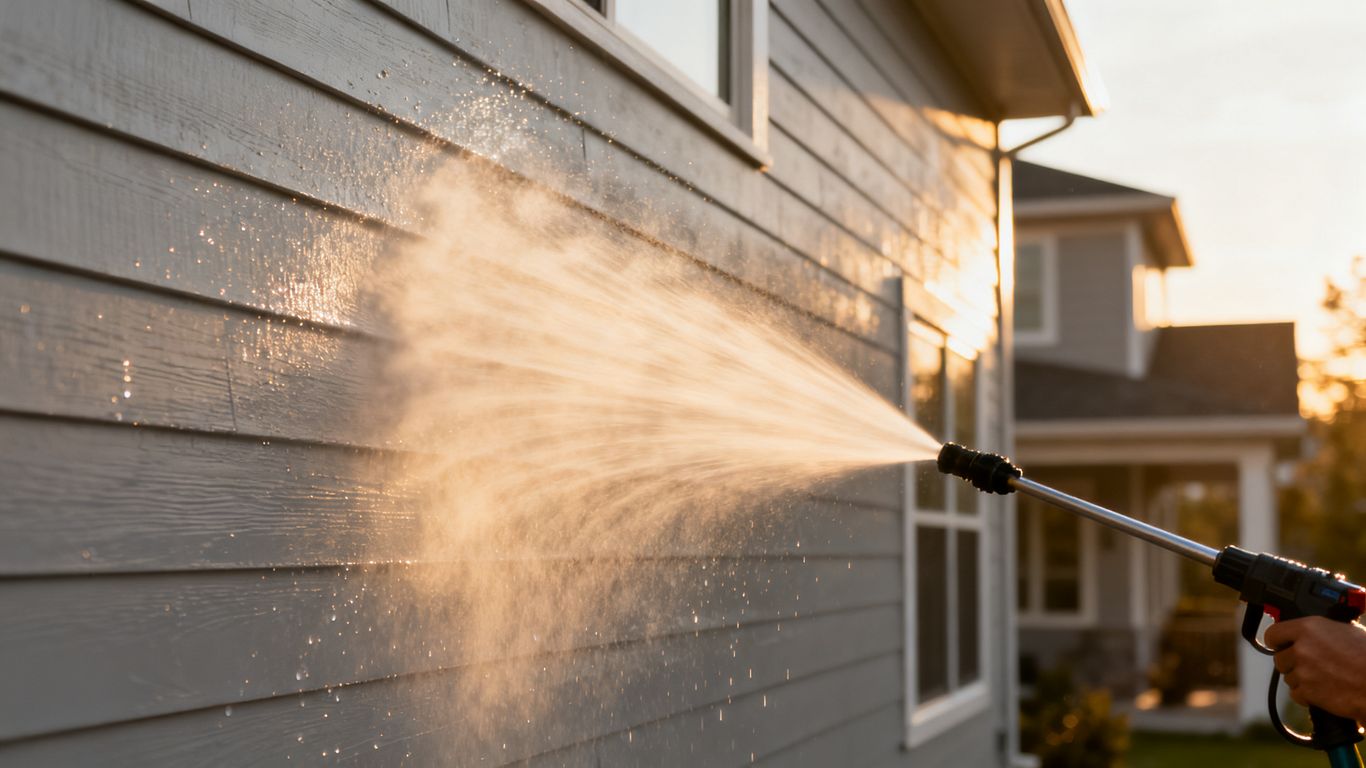
Using the proper heavy equipment is crucial for achieving a clean surface without bringing harm to your home’s exterior cladding. It is not as simple as picking up any high-powered pressure washer from a local hardware store; different wood types, masonry, and synthetics require highly tailored approaches.
Selecting the appropriate PSI for different substrates
Pressure washers are measured by Pounds per Square Inch (PSI), and using the incorrect level can instantly gouge wood or destroy vinyl. Soft woods like cedar require a much gentler touch, while hard concrete surfaces can withstand intense pressure. Understanding these force limits protects your home while still delivering enough power to break through stubborn, baked-on grime.
Understanding nozzle types and spray patterns
Your pressure washer nozzles determine how the water stream is dispersed. These color-coded tips range from a zero-degree red nozzle—which acts like a laser and can slice through solid wood—to wider forty-degree nozzles that spread the pressure safely across a larger area. Using a wider fan tip ensures even cleaning and prevents dangerous, concentrated streams from carving lines into your beautiful siding.
Deciding when to use cleaning detergents versus water only
Water alone is rarely enough to remove oily residues, heavy soot, or deeply embedded mold spores. Eco-friendly cleaning detergents help break down these contaminants at a molecular level, allowing you to wash them away with far less physical pressure. Balancing when to use chemical action over raw water pressure keeps your home safe and ensures a deep, comprehensive clean. Below is a helpful comparison of common cleaning methods:
| Washer Method | Average PSI Range | Recommended Substrate | Primary Benefit |
|---|---|---|---|
| Soft Wash | 500 – 1,000 PSI | Wood siding, stucco, shingles | Gently cleans delicate surfaces without damage |
| Medium Wash | 1,500 – 2,000 PSI | Vinyl, aluminum, hard woods | Efficiently strips dirt and loose paint flakes |
| Heavy Wash | 2,500 – 3,000+ PSI | Concrete, unpainted brick | Blasts away deeply embedded grease and stains |
Selecting the right method ensures that the physical surface stays structurally sound during cleaning.
Best practices for safe power washing
Power washing is an incredibly effective cleaning technique, but it can also be highly destructive if handled carelessly. A stray stream of highly pressurized water can easily break glass, destroy delicate garden beds, or push dangerous amounts of water behind your siding.
Protecting windows, landscaping, and exterior features
Before starting, you must cover nearby ornamental plants, delicate flowers, and exterior light fixtures with protective plastic or heavy drop cloths. Windows and electrical outlets should be carefully taped off to prevent water from entering the interior of your home or causing electrical shorts. Taking these protective steps beforehand saves you from dealing with broken glass, fried sockets, and dead shrubbery later on.
Preventing damage to delicate siding materials
Different siding materials require customized angles and distances to avoid severe damage. For example, spray should always be directed downward or horizontally, never upward beneath the overlaps of clapboard or vinyl siding. Spraying upward forces high-pressure water directly behind the siding, soaking the wooden sheathing and insulation underneath, which leads to hidden wood rot and mold. For those selling home maintenance guides, understanding these risks is as crucial as knowing how to optimize eBay descriptions for targeted sales.
Essential safety gear for residential cleaning
Working with high-pressure machinery demands proper personal protective equipment. Heavy-duty safety goggles are essential to protect your eyes from flying paint chips and debris, while thick work gloves and closed-toe boots prevent accidental water-injection injuries. Never operate this equipment while standing on unstable ladders, as the physical recoil of the spray gun can easily throw you off balance.
Determining the drying time before application
Once the washing process is complete, patience becomes your most valuable tool. The temptation to start painting immediately is strong, but applying primer or paint to a damp surface is a guarantee that the coating will quickly fail.
Why moisture is the enemy of new paint adhesion
When paint is applied over damp wood or masonry, the water gets trapped beneath the curing paint film. As the sun heats the exterior wall, that trapped moisture turns into water vapor and expands. This expansion forces the fresh paint to lift away from the surface, creating unsightly bubbles and blisters that will eventually pop and peel, requiring a complete do-over. Understanding this chemical reaction is like realizing why manual lead tracking systems fail—ignoring fundamental mechanics always leads to bad outcomes.
Factors that influence how long surfaces take to dry
How fast an exterior dries depends on several natural variables, including temperature, humidity, wind speed, and the amount of direct sunlight the wall receives. Shaded areas under heavy tree cover will take significantly longer to dry than south-facing walls exposed to bright, direct sunlight. In many cases, standard wood siding requires anywhere from three to five dry, sunny days before it is safe to apply paint.
Professional methods to test for surface moisture content
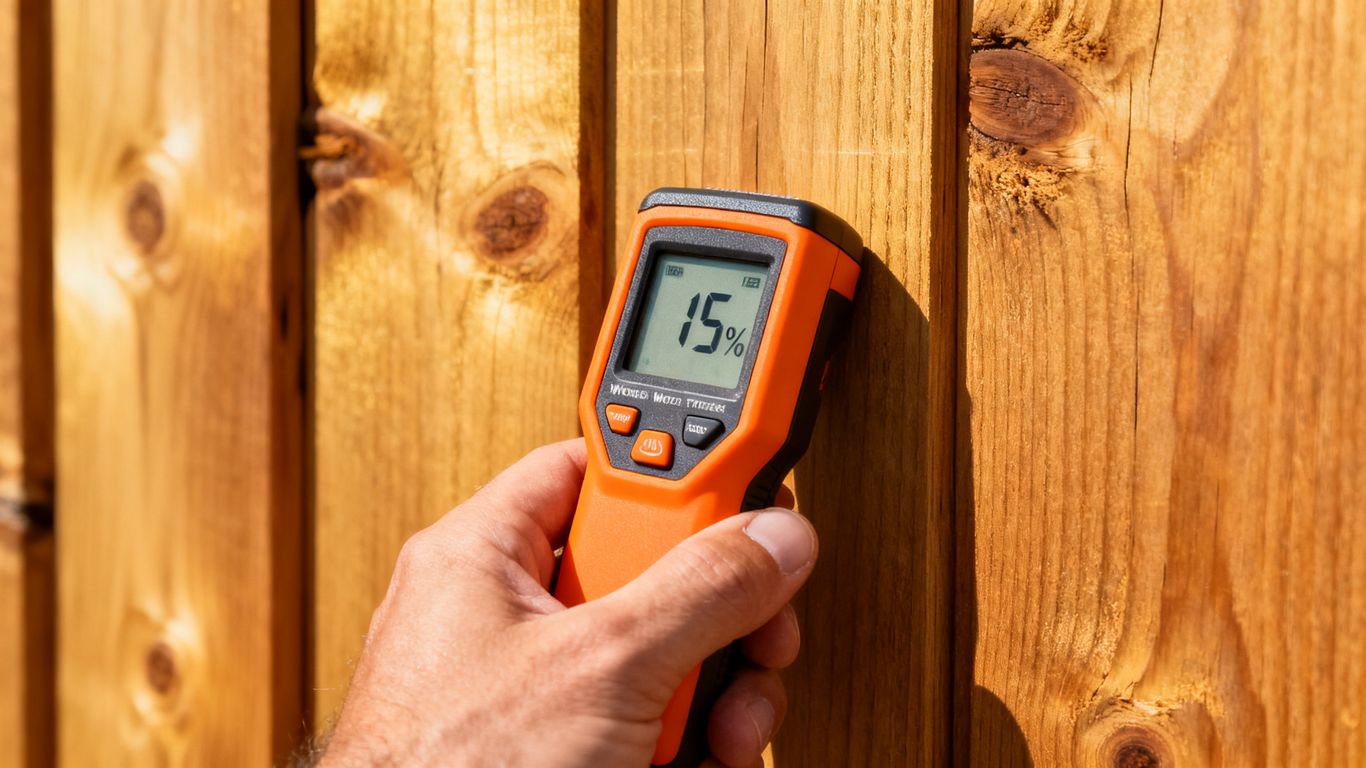
Experienced painters do not guess when a home is dry; they rely on objective diagnostic tools. Using a professional digital wood moisture meter allows you to test multiple points across your exterior walls to ensure the moisture level is below fifteen percent. Taking these precise measurements guarantees that you are applying paint under optimal conditions, preventing premature peeling. For example, researching these scientific standards is as specialized as reading the Methylene Blue Bible to study metabolic purity.
Specific considerations by home substrate
Every home features a unique mix of building materials, each with its own physical properties and cleaning limitations. Treating all materials the same way during prep work represents a major risk to the longevity of your house.
Cleaning cedar shakes and delicate wood siding
Wood is highly fibrous and soft, making it incredibly vulnerable to high-pressure washing. If you spray wood too closely, the pressure will shred the natural fibers, creating a fuzzy texture that is extremely difficult to paint over smoothly. Using a low-pressure chemical wash is the safest way to clean wood siding without destroying its beautiful texture. Much like analyzing safety limits before buying Methylene Blue with SSRIs, understanding chemical balances keeps the home safe.
Techniques for porous brick and concrete surfaces
Unlike vinyl, masonry is highly porous and acts like a giant sponge when exposed to water. While brick can handle higher pressure, excessive force can blast away the classic aged patina or crack old mortar joints. Using a moderate-pressure wash along with a mild detergent ensures that dirt and salt white deposits are lifted without compromising the masonry structure.
Managing high pressure on sensitive stucco walls
Stucco is a cement-based plaster that is highly susceptible to cracking and chipping under high-pressure water streams. If water gets behind cracked stucco, it can delaminate large sections of the wall. Using a wide-spray, low-pressure approach is critical here, focusing on gentle soap agitation rather than raw power to lift dirt from the textured grooves.
When to hire professional painters
While DIY home improvement can be rewarding, preparing and painting a home’s exterior is an enormous undertaking. The sheer physical labor, combined with the technical knowledge required to avoid damaging your property, makes hiring seasoned professionals a wise decision.
The risk of costly damage from improper technique
An inexperienced hand with a powerful pressure washer can cause thousands of dollars in property damage in a matter of seconds. From scarred wood trim to flooded wall cavities, the cost of repairing rookie mistakes often far exceeds the price of booking a professional crew. Hiring experienced professionals protects your home from these expensive headaches.
Accessing difficult, high-altitude home areas safely
Reaching the peaks of two-story homes while managing a heavy, pressurized spray wand is incredibly dangerous. Professional crews have the specialized scaffolding, harness systems, and heavy-duty ladders needed to clean and paint high-altitude areas safely. This prevents tragic slipping accidents and ensures every square inch of your home receives the exact same meticulous preparation.
Ensuring the consistent surface quality required for warranty coverage
Many high-end paint manufacturers will only honor their material warranties if the surface preparation meets strict professional guidelines. Local experts like Frontjes Painting have been serving homeowners since 1999, providing the certified preparation and application necessary to secure these warranties. Their industrial friendly spray shop and commitment to detail ensure a perfect, covered finish. When investigating the best materials, it is like examining Methylene Blue pharmaceutical purity to find the cleanest options for your projects.
- Professional preparation prevents premature paint failures and costly re-dos.
- Trained painters use commercial-grade moisture meters to verify dry surfaces.
- Expert teams carry proper liability insurance to cover unexpected jobsite accidents.
- A professional service handles the cleanup, leaving your property spotless.
Applying these reliable strategies ensures a flawless finish that you will be proud of for decades.
Conclusion
Clean surfaces are the true secret behind every gorgeous, durable exterior paint job. Power washing removes the grime, mold, and unstable paint that threaten to ruin your new finish, but it must be executed with proper technique, tools, and ample drying time. For West Michigan homeowners seeking impeccable results, partnering with a trusted professional team guarantees that this vital preparation phase is handled safely and effectively, creating a vibrant finish that stands the test of time.
Frequently Asked Questions
Can I paint my house right after power washing it?
No, you should never paint immediately after power washing. The siding must dry completely—which often takes between three and five days of dry, sunny weather—to prevent trapping moisture behind the new paint.
Will power washing damage my home’s vinyl siding?
It can if done incorrectly with too much pressure or at the wrong angle. However, using a wide spray pattern, low pressure, and keeping the wand angled downward protects vinyl siding while getting it perfectly clean.
Do I need to use chemical cleaners when washing my house?
Yes, water alone cannot kill mold spores or dissolve greasy outdoor pollutants. Mild, eco-friendly detergents are highly recommended to break down these contaminants safely and prevent them from returning under the paint.
How can I tell if my home’s exterior wood is dry enough to paint?
The only reliable method is to use a digital wood moisture meter. Professional painters check multiple areas across the home’s surface to ensure the moisture level has dropped below fifteen percent before painting.
Can power washing remove all of my old peeling paint?
Power washing is excellent for removing loose or flaking paint, but it will not remove tightly bonded layers. Any remaining loose paint must be manually scraped and sanded after the wood dries to create a smooth surface.
Is soft washing different from traditional power washing?
Yes, soft washing uses highly concentrated cleaning solutions and very low water pressure to clean delicate surfaces. Traditional power washing relies on high physical pressure to blast away stubborn dirt from hardier materials.
Can I use a high-pressure red nozzle to clean my wood siding?
No, you should never use a zero-degree red nozzle on wood siding. The highly concentrated stream acts like a physical blade and will deeply gouge, shred, and permanently ruin the wood grain.