
Key Takeaways
Selecting a new construction painting contractor requires a strategic approach that balances trade coordination, technical specialized skill, and clear material quality standards. Following these core principles helps ensure a successful project completion across every phase of your build.
- Prioritize contractors who demonstrate active experience with raw surface preparation for new drywall and trim.
- Ensure painters have a structured schedule that integrates smoothly with other essential trade subcontractors.
- Verify technical capabilities in specialized areas like high-volume off-site spray finishing for cabinets or millwork.
- Demand clear documentation and transparency regarding paint product specifications and site cleanliness standards.
- Request references that are specifically related to completed new construction or custom home residential projects.
Understanding the specific needs of new construction projects
New construction painting stands apart from simple refreshes because it involves raw substrates that have never received coatings. Your new construction painting contractor needs to be prepared for the foundational work that defines the long-term performance of your finish. This phase requires a deep understanding of how porous materials react to initial applications and how moisture levels within the home affect paint adhesion.
Differentiating between raw surface prep and repaint processes
Working on fresh drywall is fundamentally different from touching up an existing wall. Contractors must understand how to seal raw paper textures properly, a process that requires specialized primers that seal surfaces without raising fibers. It is important to remember that there is no previous base coat to rely on, so the initial sanding and priming dictate the final smoothness and look of the interior paint finishes throughout the entire structure.
Coordinating painting schedules with other critical trade subcontractors
Effective scheduling is vital to keeping a construction project moving without costly downtime. A professional crew must coordinate their arrival to align with the completion of rough-ins while remaining flexible to the needs of other workers. To ensure your project remains on track, consider these critical elements of trade coordination:
- Confirm electrical and HVAC rough-ins are inspected and closed before final interior spraying commences.
- Schedule primer applications immediately following wall sanding to protect against rising wood and drywall dust.
- Ensure that site access is prioritized for painters during critical trim installation and finish-work windows.
- Clearly define the necessary workspace buffer to allow for air circulation during fast-drying coating applications.
Integrating your schedule with these key steps prevents the conflicts that often lead to damaged paint or delayed flooring installations as the house transitions from build to finish.
The importance of building material moisture content and curing times
Building materials in a new home often arrive with high internal moisture levels that must be addressed before applying permanent finishes. If paint is applied over materials that haven’t properly cured or dried, you risk peeling, bubbling, and poor long-term durability. Professional contractors monitor these conditions carefully to ensure every finish layer adheres to the substrate correctly.
Assessing technical capabilities and experience

Choosing a partner with the right technical skills is essential for achieving a high-end look on a budget. Assessing these capabilities early saves you from the frustration of finding that a contractor lacks the necessary specialized equipment for a large project. It is wise to look for a company like Frontjes Painting, which has provided custom home painting in West Michigan since 1999 and understands the specific challenges of new build environments.
Evaluating experience with interior wall finishes and premium trim work
High-end trim work requires a level of consistency that standard brush-and-roll methods cannot always achieve. Your chosen contractor should demonstrate expertise in paint-grade millwork, which involves filling nail holes seamlessly and providing a finish that is perfectly smooth to the touch. This attention to detail differentiates a basic build from a premium custom home finish.
Assessing capacity for high-volume off-site spray shop painting
Beyond field work, having access to an industrial friendly spray shop is a massive advantage for new builds involving custom cabinetry, doors, or built-in components. A contractor with this capacity can ensure that complex pieces receive a furniture-grade finish in a controlled environment, free from the dust of an active construction site. This specialized process ensures that your home’s most prominent features arrive on-site with a durable, factory-like aesthetic that stands up to heavy daily use.
Reviewing portfolios showcasing successful new build residential completions
Look for a portfolio that highlights consistency across various stages of a home build. When reviewing previous work, check for documented results in projects that align with the scale and quality of your own. By vetting this history, you ensure the team has the institutional knowledge to handle commercial property painting or residential builds without technical shortcuts.
Communicating quality standards for interior and exterior surfaces
Setting clear expectations for quality is the most effective way to avoid misunderstandings later in the project. You should require your contractor to provide detailed documentation on their surface preparation methods, including the grit levels used for sanding and the specific product lines intended for use. High-quality standards for professional trim finish levels make a massive difference in how the home feels once you move in.
Establishing expectations for professional trim finish levels
Expectations must be explicitly stated regarding the number of coats and the required sheen levels for trim work. Using professional-grade masking tape to ensure crisp lines and edge-to-edge perfection is an indicator of a quality-driven approach. The following table provides a breakdown of common specification standards to help you vet your contractor:
| Finish Component | Quality Expectation | Typical Application |
|---|---|---|
| Drywall Surfaces | Level 4 or 5 Finish | Prime and two coats |
| Wood Trim Work | Grain Filled/Smooth | Multi-pass spray finish |
| Exterior Siding | Weather Resistant | Back-brushing required |
By establishing these parameters early, you avoid the disappointment of inconsistent visual standards that often occur when expectations aren’t documented prior to the starting bid.
Addressing requirements for drywall sanding and surface priming documentation
Quality painting for new construction homes relies entirely on the quality of the substrate before the first color layer is applied. Documentation should confirm that the subcontractor intends to perform full wall sanding after the primer is sprayed. This process is essential for removing raised fibers and ensuring that the final color layers apply with perfectly consistent coverage and texture.
Defining site cleanliness and debris removal standards for active worksites
An active new construction site is inherently messy, but a professional painting contractor should manage their area with respect. You should establish firm standards for daily debris removal, tape management, and tool storage. A clean site is not only safer but often reflects the same level of care the contractors will take when protecting your new fixtures and sensitive surfaces during the final spray and touch-up phases.
Managing project timelines and site coordination
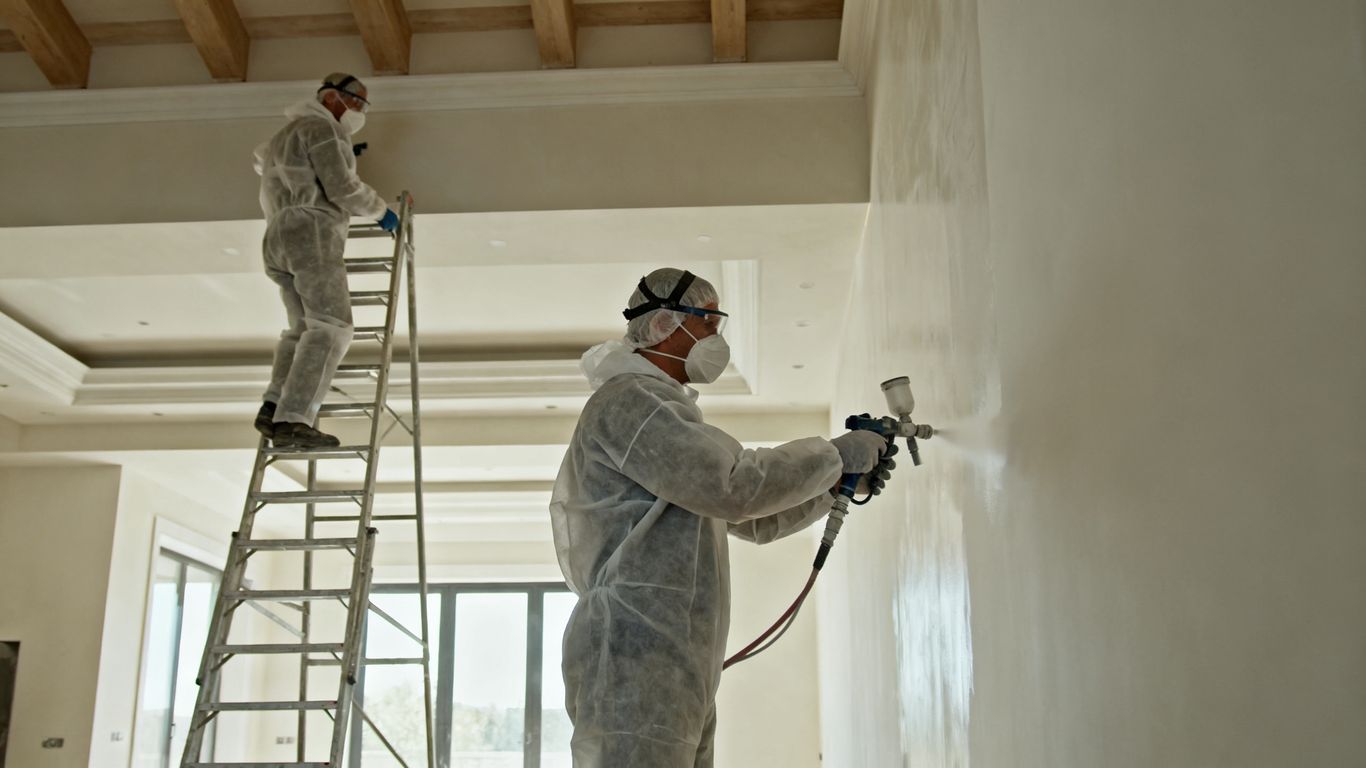
Construction timelines are notoriously fluid, and the right new construction painting contractor must have the agility to adapt without sacrificing quality. Managing these relationships requires clear communication from both sides. It is often helpful to view your contractor’s reliability metrics with the same diligence you might use when researching online gambling sites or other complex service providers, ensuring their reputation is verified by consistent performance throughout their history.
Avoiding delays in the critical path of home construction
Painting often occupies a critical window where one day of delay can prevent other trades from performing their final installations. Your contractor must have the personnel to scale up during peak weeks. Reliability here is key, as it prevents the cascading delays that ruin the scheduling of plumbers, electricians, and finish carpenters who are all competing for the same final dates.
Balancing multiple active trades working in the same shared space
When a site is shared by several trades, communication is your most valuable asset. The painting team needs to work in tandem with those installing flooring and cabinets, ensuring that nobody is working over the others in ways that create dust or damage surfaces. When scheduling gets complicated, seek out professionals who can effectively manage gutter and downspout or exterior work gaps to optimize the site traffic load.
Adapting paint application schedules to sudden changes in construction progression
Rigid contractors often struggle on new build sites where last-minute structural changes or utility installation delays are common. The most successful crews are those that have deep institutional experience handling essential painting tips and managing unexpected gaps with flexibility. If your project hits a delay, your contractor should be able to reschedule without causing friction that ripples through the remainder of the build schedule.
Vetting contractors for reliability and professional accountability
When hiring, look for a, track record of unwavering reliability, that is backed by professional standards. This means looking beyond the initial pitch and investigating the operational reality of the business. You want a team that prioritizes clear communication, leaving every job site clean, and delivering results they are proud of. Frontjes Painting has built a reputation on these exact principles, proving that when a team is committed to the client, the end result is consistently higher in quality.
Analyzing past client reviews for mentions of reliability and detail
Past client feedback is a gold mine for identifying hidden issues like poor communication or lack of site cleanliness. When reading reviews, look for specific mentions of crews arriving on time and leaving the site in good condition. You can also explore their social media marketing presence to see how they present their work, which often gives you a window into their professional attitude and consistency.
Verifying that the contractor maintains comprehensive insurance and licensing
Never skip the verification of insurance for any contractor entering your home. A professional must hold valid liability coverage and workers’ compensation for their crew, as new builds can be high-risk environments. Protecting your investment means ensuring that you are not legally or financially exposed to accidents occurring on your property during the painting process.
Requesting professional references specifically from custom home builders
Custom home builders work with the same paint crews on multiple projects. Ask your contractor for at least three references from builders they have worked with over the last several years. This provides an honest view of how the team interacts with other trades and how they handle the high-pressure environment of custom residential construction.
Finalizing service agreements and project estimates
Before work begins, ensure that every detail of the scope is covered in your final agreement. Ambiguity is the enemy of a smooth project, particularly when it comes to material standards and the specific products intended for modern cabinetry or walls. Detailed contracts provide the clarity needed to keep the project focused.
Explaining the detailed scope of work and paint product specifications
Your agreement should list the exact product lines and sheen levels for every surface. You might even consider investing in a marketing course or similar educational resources if you want to better understand the nuances of how these products perform over time. Knowing exactly what paints are used helps in maintaining your home in later years, allowing you to touch up correctly without guess-work.
Avoiding common pricing inaccuracies that occur in initial new construction bids
Low-ball bids are often a red flag in new construction. Ensure your estimate includes all labor, materials, and necessary prep, such as wall sanding and priming that might be omitted in cheaper quotes. If a price seems too good to be true, it likely assumes shortcuts that will end up costing you significantly more in repairs or repaint requirements later on.
Understanding warranty terms for new paint finishes on wood and drywall surfaces
Finally, confirm the warranty terms for the finishes applied to your walls and millwork. Reputable companies will stand by their workmanship against issues like premature peeling or poor adhesion, provided common maintenance standards are followed. When you hire an established, quality-focused provider, you are getting more than just a fresh coat; you are getting a long-term investment in the durability and beauty of your custom home.
Conclusion
Successfully selecting a contractor for your home boils down to verifying expertise and establishing clear, documented expectations before the first paintbrush hits the wall. By prioritizing communication and choosing partners who understand the unique technical demands of the new construction process, you ensure a high-quality finish that stands the test of time. Working with reputable professionals ensures that the transition from a skeleton structure to a polished, vibrant home happens with precision, allowing you to enjoy the results of your investment for years to come.
Frequently Asked Questions
How soon should I hire a painting contractor for a new build?
It is best to secure your contractor as early as possible, ideally during the framing or drywall stage, to ensure they can coordinate effectively with other trades and provide input on materials.
Does new construction painting need different materials than a repaint?
Yes, new drywall and raw trim require specialized primers and specific application processes to ensure proper adhesion, as the surfaces have never been finished before.
How can I ensure the trim finish is high quality?
Specify your desired finish level in the contract, demand documentation on sanding and filling methods, and look for a contractor with an off-site spray shop capability for the best results.
Should I be worried about moisture in my new home during painting?
High moisture content in new building materials is normal but must be managed; professional painters monitor these levels to prevent common issues like peeling or bubbling paint.
What should a professional painting bid include?
A good bid should detail all labor, a list of specific paint product lines, explicit expectations for surface prep, and a clear timeline for the project’s milestones.
How does painting new construction interact with other trades?
Painting impacts many other finishing steps, including flooring and electrical installation, so your contractor must be able to synchronize their schedule with other subcontractors on the job site effectively.
Is it possible to paint while other trades are still active?
While possible, it requires skilled site coordination to keep the areas clean and prevent damage to finished surfaces, which is why hiring an experienced team with high standards is so critical.