
Key Takeaways
Cabinet refinishing and cabinet painting can both refresh a Grand Rapids kitchen without changing its basic layout. The right choice depends on the existing finish, desired appearance, cabinet condition, budget, and how much disruption your household can manage.
- Refinishing keeps more of the existing wood character and finish.
- Painting provides a broader range of color and a more noticeable visual change.
- Careful cleaning, sanding, repairs, and priming matter as much as the topcoat.
- Cabinet condition, door style, hardware, and project access all affect cost.
- A clear scope and realistic curing timeline make the project easier to manage.
What cabinet refinishing and cabinet painting mean
The terms are sometimes used interchangeably, but they can describe different goals. Refinishing generally focuses on restoring or renewing the existing surface, while painting changes the cabinet color with an opaque coating. For homeowners comparing cabinet refinishing vs painting Grand Rapids options, the distinction is useful because the visual result and preparation plan may differ. Both methods work best when the cabinet boxes, doors, and drawers are structurally sound.
How cabinet refinishing restores the existing finish
Cabinet refinishing is usually chosen when the wood, stain, or existing coating still has value but looks worn. The work may involve removing residue, dulling the old surface, repairing small imperfections, and applying a compatible new finish. It is not simply a quick wipe-down and another coat; adhesion depends on how thoroughly the surface is prepared. A refinisher should also check whether the old coating is peeling, heavily damaged, or incompatible with the planned finish.
How cabinet painting changes the cabinet color
Cabinet painting uses preparation and paint to create a new, opaque color over the existing cabinet surfaces. White, gray, green, navy, and warm neutral tones can all produce very different effects, especially in kitchens with limited natural light. Painting can also make older door profiles feel more current without replacing them. The final appearance depends on the paint system, application method, sheen, and quality of the underlying repairs.
Which cabinet materials work best for each method
Solid wood and wood-veneer cabinets are often flexible candidates because they can usually be cleaned, sanded, and repaired before refinishing or painting. Previously painted surfaces, laminate, and thermofoil require closer evaluation because smooth or damaged materials may need specialized preparation. The condition of the edges, profiles, and box interiors matters too. A professional assessment is more reliable than choosing a method based only on a cabinet sample or a photograph.
When refacing or replacement may be a better alternative
Refinishing or painting will not correct warped boxes, failing joints, poor storage, or a kitchen layout that no longer works. Refacing may make sense when the cabinet structure is usable but doors and drawer fronts need a major style change. Replacement is more appropriate when the cabinetry is extensively damaged or the room needs a different footprint. For a broader renovation, Kitchen Tune-Up describes options that include refacing, door replacements, custom cabinetry, and complete remodeling.
Cabinet refinishing vs painting in terms of appearance
Appearance is often the deciding factor, but it helps to separate color from surface character. Refinishing can preserve some of the qualities that make wood cabinets appealing, while painting can create a cleaner, more uniform visual field. Door profiles, cabinet-box transitions, and lighting all influence the result. Before choosing, look at the whole room rather than judging a finish on one detached door.
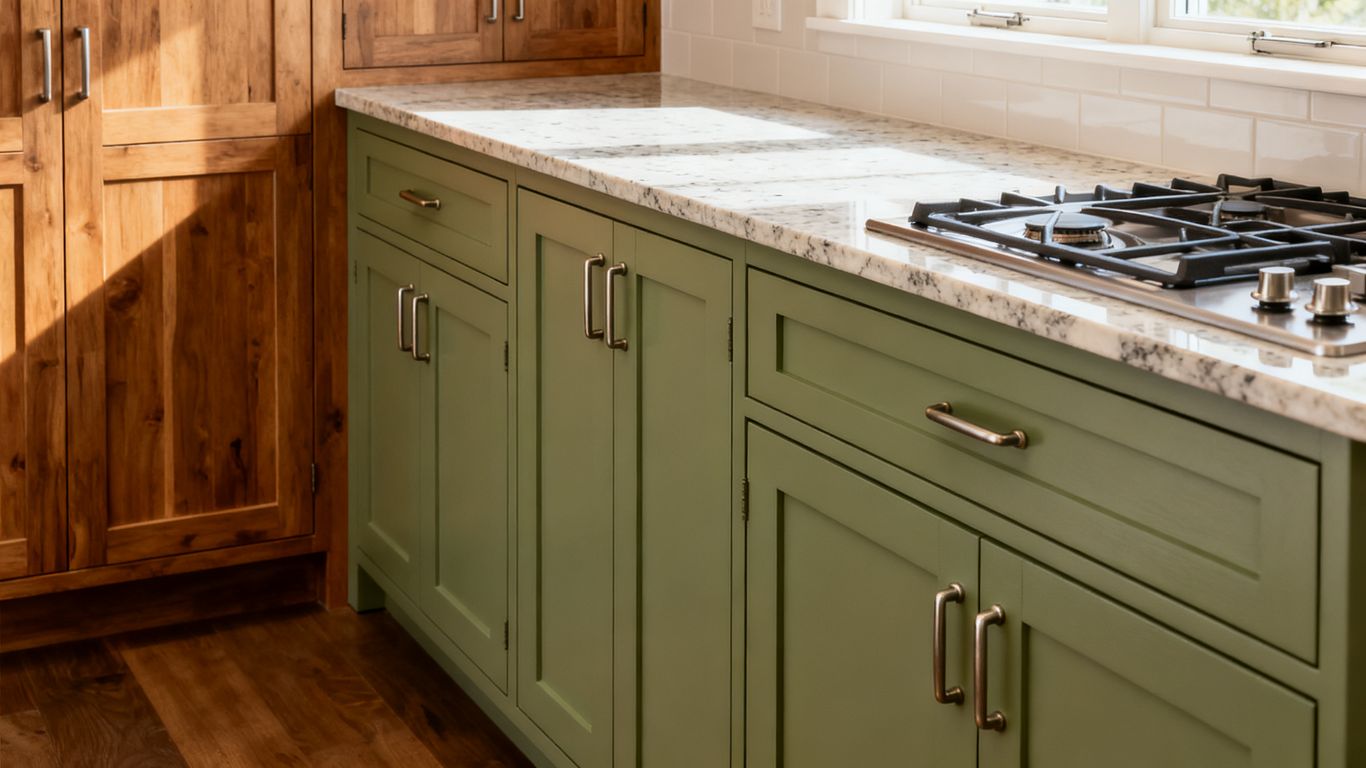
Natural wood grain and stain results
A transparent or semi-transparent refinishing approach can keep visible grain, tonal variation, and the warmth of the original wood. It may be a good fit for oak, maple, cherry, or veneer that has an attractive pattern but has become faded or uneven. However, refinishing does not make every species look identical, and existing stain can affect the final tone. If the goal is to erase strong grain variation, an opaque painted finish is usually the more predictable direction.
Smooth painted finishes and color choices
Painted cabinets create a more consistent color across doors, drawer fronts, and frames. That consistency can brighten a dark kitchen or help a dated profile sit comfortably with newer countertops and flooring. A lower sheen may hide minor surface variation, while a higher sheen can make cleaning easier but reveal more imperfections. Color samples should be viewed in the actual room at different times of day.
Matching doors, drawers, and cabinet boxes
A convincing update depends on more than the fronts. Cabinet boxes, end panels, toe kicks, and visible trim need to coordinate with the doors and drawers. Differences in porosity, age, and exposure can cause the same color to look slightly different from one surface to another. A written scope should identify which components are included so the finished kitchen does not have unexpected transition areas.
How hardware and updated details affect the final look
New knobs or pulls can change the character of a kitchen almost as much as a new color. Their size, placement, finish, and comfort should work with the door style and the people using the room. This cabinet hardware guide is a useful reminder that hinges, slides, knobs, and pulls should be considered as part of the cabinetry system rather than as a last-minute detail. Existing holes may also limit placement unless doors are repaired or replaced.
Comparing durability, maintenance, and everyday use
Cabinets in a Grand Rapids home may face cooking grease, moisture, fingerprints, temperature changes, and constant handling. Durability comes from the complete system: sound material, thorough preparation, suitable coatings, careful application, and adequate curing time. Neither refinishing nor painting is a shortcut around those fundamentals. The best choice is the one that suits the cabinet surface and the way the room is used.
How surface preparation affects cabinet longevity
Preparation determines whether a finish bonds to the cabinet rather than merely sitting on top of residue or a glossy factory coating. Surfaces should be cleaned, lightly abraded where appropriate, and checked for dents, loose veneer, cracks, and damaged edges. Repairs need time to dry before primer or finish is applied. Preparation drives longevity is a simple rule, but it explains why two visually similar projects can age very differently.
Choosing finishes for kitchens, bathrooms, and high-use areas
Kitchens generally need a finish that tolerates frequent contact and routine cleaning. Bathroom cabinetry adds humidity and water exposure, while mudrooms and utility areas may see grit, shoes, and heavier abrasion. The room’s use should shape the preparation and finish recommendation rather than treating every cabinet project the same way. Moisture-resistant materials and practical storage are also central to a well-planned bathroom update, as this bathroom remodeling guide explains.
Cleaning and maintaining refinished or painted cabinets
Freshly finished cabinets should be handled gently while the coating cures, even if the surface feels dry. After that period, use a soft cloth and a mild cleaner suited to the finish, and avoid soaking seams or allowing standing water near sink cabinets. Wipe spills promptly, especially around cooktops and handles. Abrasive pads, harsh solvents, and aggressive scrubbing can dull or damage the surface over time.
Common causes of chipping, peeling, and premature wear
Peeling often begins where grease, wax, silicone, or moisture was left behind, while chipping can result from impact on sharp edges or doors that are misaligned. Excessive rubbing, slammed drawers, and damp dishcloths can also shorten the life of a finish. Poor ventilation during application may affect the result, and reinstalling hardware before the coating has cured can leave marks. Regularly checking hinges and drawer alignment helps prevent unnecessary contact and wear.
Cost and project considerations in Grand Rapids
The price of a cabinet project varies because kitchens vary. Door count, cabinet size, finish condition, color changes, repairs, hardware, access, and application method all influence the estimate. Local labor and scheduling also matter, especially during busy renovation seasons. A useful quote explains the work behind the number instead of presenting one unexplained total.
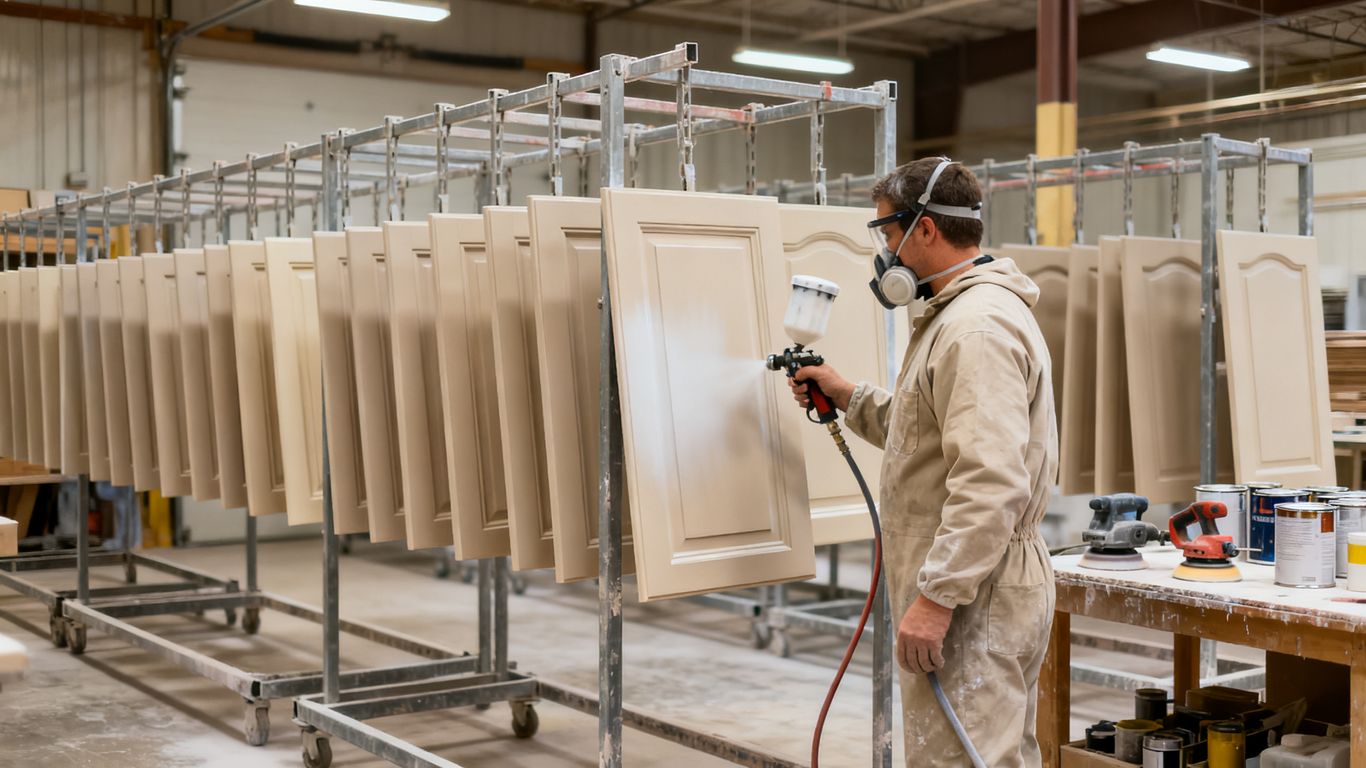
What affects local cabinet refinishing and painting prices
A small kitchen with accessible doors may require a different amount of labor than a large kitchen with detailed profiles and extensive prep. Refinishing can involve stain or coating removal, while painting may require additional filling, priming, and color coverage. Islands, finished ends, tall pantry panels, and built-ins add visible surface area. Ask whether the estimate includes removal, transport, protection, repairs, finishing, and reinstallation.
Comparing labor, materials, and preparation requirements
Labor is often the largest part of the project because each door and drawer must be identified, handled, prepared, finished, and returned to its correct position. Materials include cleaners, abrasives, repair products, primers, coatings, masking supplies, and replacement parts when needed. Application in a controlled space can affect logistics as well as finish consistency. CertaPro Painters outlines several possible approaches, including painting in place, spraying in a garage, and using an off-site process; the appropriate option depends on the project.
How cabinet condition changes the project scope
Cabinets with minor wear may need straightforward preparation, while smoke residue, peeling coatings, water damage, or missing veneer can expand the work. Door edges and corners deserve particular attention because they receive frequent contact. If the boxes are sound but the fronts are beyond practical repair, refacing or replacement components may be part of the conversation. A site visit or detailed photo review can reveal scope that a quick square-foot estimate misses.
Budget questions to ask a Grand Rapids painting professional
Before approving the work, ask for a practical explanation of what is included and what could change the price. A clear conversation should cover the following points:
- Which doors, drawer fronts, boxes, panels, and trim are included?
- What cleaning, sanding, filling, and priming will be performed?
- Where will doors and drawers be finished, and how will the home be protected?
- How long will the kitchen be unavailable, including curing time?
- What repairs or hardware changes are excluded from the estimate?
These questions make competing scopes easier to compare without reducing the decision to the lowest bid. A local professional should also explain how the schedule works in your home and how questions will be handled during the project.
Understanding the cabinet painting and refinishing process
A cabinet update is a sequence of small, careful steps rather than one painting event. Doors and drawers need to be tracked, surfaces need to be made ready, and the finish needs time to dry and cure before normal use resumes. Some work may happen in the home, while removable parts may be finished elsewhere. Knowing the sequence helps homeowners plan meals, access, pets, and household traffic.
Removing doors, drawers, and hardware
The process commonly begins with labeling doors and drawers so each piece returns to its original location. Hardware is removed rather than painted around, and hinges, pulls, bumpers, and slides should be stored safely. Removal exposes edges and transition areas that may otherwise be missed. It also makes it easier to inspect the condition of each component before preparation begins.
Cleaning, sanding, repairing, and priming surfaces
Grease and residue must be removed before sanding or coating, especially around handles and cooking areas. Dents, scratches, loose veneer, and damaged corners are addressed before primer is applied. Sanding creates an appropriate surface for adhesion without needlessly damaging the material. The exact sequence depends on the existing finish, but skipping a step usually creates problems that appear later.
Spray-shop finishing versus on-site application
A spray-shop setting can provide a dedicated area for doors, drawers, frames, and pieces or parts. Frontjes Painting describes its industrial-friendly spray shop as a space for painting cabinets, pieces or parts, doors, and frames. On-site work may be useful for fixed cabinet boxes and transition areas, while removable parts can be transported or finished in a controlled workspace. The contractor should explain how those methods will be coordinated rather than assuming one approach fits every kitchen.
Seeing the workflow can make the difference between a vague promise and a realistic plan. Frontjes Painting has served West Michigan since 1999 and handles residential and commercial painting projects, including cabinet refinishing and spray-shop work. That local experience is relevant when the project requires careful protection of an occupied home as well as detailed finishing.
Drying, curing, and reinstalling the cabinets
Drying means the surface may no longer feel wet; curing is the longer period in which the finish develops its working strength. Doors and drawers should not be stacked, closed, or heavily handled before the professional’s recommended schedule. Reinstallation includes fitting hardware, adjusting hinges, and checking that doors do not rub. The kitchen can look complete before the coating has fully cured, so follow-up care matters.
How to choose the right option for your Grand Rapids home
Start with the condition and character of the cabinets, then consider the look you want and the way your household uses the room. A wood-grain result, a bold color change, and a subtle refresh call for different conversations. Timeline and budget are practical constraints, but they should not replace an honest assessment of the surfaces. For West Michigan homeowners, the right contractor should make those tradeoffs clear.
When refinishing makes sense for lightly worn wood cabinets
Refinishing is a natural choice when the cabinet material is attractive, the layout works, and the existing finish is tired rather than failing everywhere. It can retain wood character while improving color consistency and surface condition. This approach is especially appealing when a homeowner wants a quieter update instead of a dramatic change. The cabinet’s current coating and the desired final sheen still need to be evaluated before work begins.
When painting is best for a modern color update
Painting is usually the stronger option when the goal is to change the kitchen’s color decisively or create a simpler, more uniform appearance. It can bring varied wood tones, older stains, or mismatched components into one palette. A carefully selected color can work with existing counters and floors while changing the mood of the room. The finish will look best when profiles, edges, and visible boxes receive the same level of attention as the broad door faces.
How kitchen style, timeline, and future plans affect the decision
A traditional kitchen may benefit from preserved grain, while a transitional or contemporary room may suit a calm painted color. If the kitchen is needed every day, ask about removal, finishing, curing, and reinstallation before setting a start date. Future plans matter too: a near-term layout change may make a temporary refresh less sensible than waiting. For adjacent surfaces, a countertop comparison guide can help you think through how cabinet color will relate to a larger kitchen update.
What to look for in a West Michigan cabinet painting contractor
Look for a written scope, clear preparation details, realistic timing, and examples of work on comparable cabinet materials. Ask who will perform the work, where removable pieces will be finished, how your home will be protected, and how the site will be left each day. Frontjes Painting emphasizes clear communication, attention to detail, high-quality materials, and clean job sites, all of which are useful standards when comparing proposals. You can also review a Grand Rapids cabinet painting service for another local perspective on spray refinishing and cabinet updates, then choose based on documented fit rather than promises alone.
Conclusion
The best choice between cabinet refinishing and painting depends on what you already have, what you want to see each morning, and how the project fits your household. Refinishing can preserve appealing wood character, while painting can deliver a broader color change and a more uniform look. Compare preparation, finish, scope, schedule, and communication—not just the headline price—before choosing a Grand Rapids professional.
Frequently Asked Questions
Is cabinet refinishing the same as cabinet painting?
Not always. Refinishing generally renews or restores an existing surface, while painting applies an opaque color that changes the cabinet’s appearance, although professionals may use the terms differently.
Can all kitchen cabinets be refinished or painted?
No. Solid wood and veneer are often workable, but laminate, thermofoil, damaged veneer, and failing cabinet boxes require a closer assessment. Some cabinets may be better candidates for refacing or replacement.
Which option shows more wood grain?
Refinishing with a transparent or semi-transparent finish is more likely to preserve visible grain. Painting creates an opaque surface and is better suited to a consistent color that covers the original wood pattern.
How long does a cabinet painting project take?
The timeline depends on the kitchen size, number of doors and drawers, repairs, application method, and curing requirements. Ask for both the active work schedule and the period before normal use resumes.
Is cabinet painting less expensive than cabinet replacement?
It often can be, because the existing layout and cabinet structures remain in place. The actual price depends on condition, preparation, repairs, hardware, finish choice, and the number of components included.
How should newly finished cabinets be cleaned?
Follow the contractor’s care instructions, allow the finish to cure, and use a soft cloth with a mild cleaner. Avoid abrasive pads, harsh solvents, standing water, and forceful scrubbing.
Should I replace the hardware during the project?
New hardware is optional, but it can update the style and improve comfort. Decide early because hole locations, repairs, hinges, and drawer slides may affect the preparation and final scope.