
Getting your home’s exterior painted in Michigan requires thinking about the weather. Here are the main things to keep in mind for a job well done:
Key Takeaways
- The best times for exterior painting in Michigan are generally spring and early fall, when temperatures are mild and humidity is lower.
- Summer can also be a good time, but you need to watch out for high heat and humidity, which can affect paint drying.
- Fall offers crisp air that’s good for painting, but you need to finish before the weather gets too cold or wet.
- Winter painting is possible for some projects, especially if you have a protected space or can work around colder days, but it’s less common for whole exteriors.
- Always check the weather forecast for temperature, humidity, and rain before painting, and make sure surfaces are properly prepped for the best results.
Understanding Michigan’s Exterior Painting Seasons
The Ideal Window for Exterior Painting in Michigan
When it comes to painting the outside of your home in Michigan, timing really matters. You want to pick a period when the weather is just right – not too hot, not too cold, and definitely not too wet. Getting this timing wrong can lead to paint that doesn’t stick well, peels prematurely, or just doesn’t look as good as it could. Michigan’s climate has distinct seasons, and each one brings its own set of pros and cons for exterior painting projects.
Navigating Spring’s Painting Potential
Spring in Michigan can be a tempting time to get your house painted. The snow is gone, the flowers are blooming, and everything feels fresh. However, spring also comes with its own set of challenges for painters.
- Unpredictable Temperatures: Early spring can still have chilly days and frosty nights, which aren’t ideal for paint application. Most exterior paints need a certain temperature range to cure properly.
- Increased Humidity and Rain: Michigan springs are often damp. High humidity can slow down drying times, and frequent rain showers mean your freshly painted surfaces might get wet before they’ve had a chance to harden.
- Pollen and Allergens: Spring is peak pollen season. This fine dust can settle on wet paint, creating a rough texture and affecting the finish. It can also make the painting process less pleasant for workers.
While spring can work, especially later in the season, you need to be mindful of these factors and have some flexibility in your schedule. It’s often better to wait for more stable weather.
Summer’s Prime Time for Exterior Projects
Summer is often considered the sweet spot for exterior painting in Michigan. The longer daylight hours and generally warmer, drier weather create favorable conditions for getting the job done.
- Warm, Stable Temperatures: Summer typically offers consistent temperatures that are perfect for paint application and curing. This helps the paint bond correctly with the surface.
- Lower Humidity: While summer can have humid days, it’s generally drier than spring or fall, leading to faster drying times.
- More Sunlight: Extended daylight means painters can work longer hours, potentially finishing the project quicker. Sunlight also aids in the paint’s curing process.
However, summer is also the busiest time for painting companies. This means you might face longer wait times for scheduling and potentially higher prices due to demand. It’s wise to book well in advance if you’re aiming for a summer project. You can find local painting services that can help you plan your summer project.
Choosing the right season isn’t just about aesthetics; it’s about the longevity of your paint job. The weather directly impacts how well the paint adheres and protects your home’s exterior.
Leveraging Fall and Winter for Exterior Painting
Fall’s Crisp Air: A Secondary Painting Season
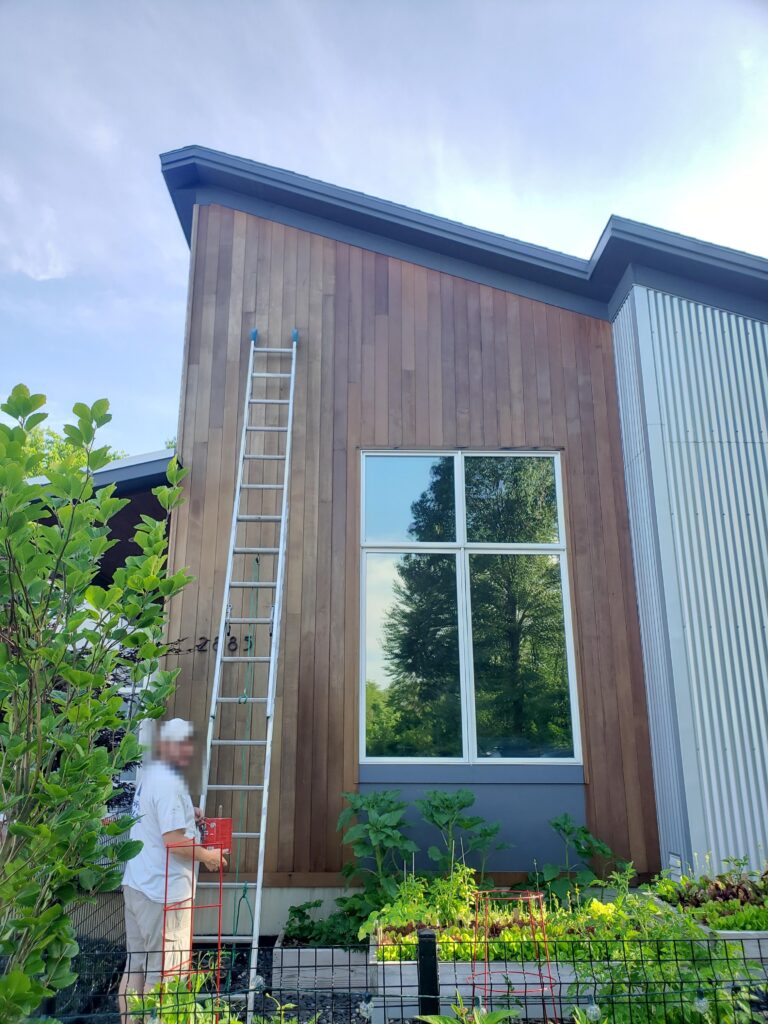
While summer often gets all the attention for exterior projects, fall in Michigan can be surprisingly good for painting. Once the intense heat of summer fades, the cooler, drier air is actually quite beneficial for paint application. This crisp autumn weather allows paint to cure properly without the rapid drying that can sometimes happen in high heat. Think of October, for instance. It often brings pleasant temperatures and lower humidity, creating a stable environment for painters. This means fewer worries about paint blistering or peeling prematurely. It’s a great time to get that last bit of exterior work done before the real cold sets in, especially if you’re looking to prep for the holidays or just want a fresh look. Many homeowners find that October offers ideal painting conditions before winter arrives.
Winter’s Unexpected Advantages for Exterior Painting
Now, winter might seem like the absolute worst time to paint the outside of your house, right? I mean, it’s cold, maybe snowy. But hear me out. For certain types of exterior painting, especially smaller touch-ups or projects where the house is well-protected, winter can actually have some perks. For starters, painting contractors are usually less busy during these months. This can translate into more flexible scheduling and potentially even better pricing. Plus, the low humidity in winter is fantastic for paint drying and curing. It’s not the time for a full house repaint in freezing temps, but for specific tasks, it’s worth considering. It’s a bit counterintuitive, but sometimes the off-season is the smartest season.
Planning Ahead: Scheduling Your Exterior Paint Job
No matter which season you choose, good planning is key. If you’re aiming for that perfect fall painting window, booking your painter well in advance is a smart move. They often fill up quickly as the weather turns favorable. Similarly, if you’re thinking about tackling exterior painting in the spring, getting on a painter’s list in late winter or early spring is a good idea. This helps you secure your spot and ensures you’re not left scrambling when the weather finally cooperates. Remember, a well-maintained exterior is important for protecting your home’s value, so don’t wait until the last minute.
When planning your exterior painting project, consider the specific needs of your home and the typical weather patterns for Michigan. Early fall often provides a sweet spot with moderate temperatures and lower humidity, ideal for paint adhesion and curing. Winter, while challenging for full exterior jobs, can be suitable for smaller tasks or when seeking off-season pricing, provided protective measures are in place. Proactive scheduling is always recommended to secure your preferred contractor and time slot.
Factors Influencing the Best Time to Paint Exterior Michigan
When you’re thinking about painting the outside of your house here in Michigan, it’s not just about picking a color. The weather plays a pretty big role in how well the paint sticks and how long it lasts. You really want to get this right, especially since a good paint job can protect your home’s value.
Temperature and Humidity Considerations
Paint needs specific conditions to dry and cure properly. Too hot, and it can dry too fast, leading to issues like blistering or peeling. Too cold, and it won’t cure right at all, making it weak. Humidity is also a big deal. High humidity means the paint takes longer to dry, and if it’s too high, it can cause problems with adhesion.
- Ideal Temperature Range: Most exterior paints do best between 50°F and 95°F. This gives the paint enough time to flow out smoothly and then cure without drying too quickly or too slowly.
- Humidity Levels: Aim for humidity below 50%. Anything higher can really slow down the drying process and affect the final finish.
- Avoid Extremes: Steer clear of painting during heat waves or when it’s unusually cold. These extremes put a lot of stress on the paint.
Precipitation Patterns Across Michigan
Michigan weather can be pretty unpredictable. You’ve got to keep an eye on the forecast. Rain is obviously a no-go for exterior painting. Not only does it wash away wet paint, but it can also soak into the surfaces, creating moisture issues that will cause paint to fail later on. Even dew can be a problem if you’re painting too early in the morning.
You want a solid stretch of dry days before, during, and after your painting project. This allows the surfaces to be prepped properly and the paint to adhere and cure without being disturbed by moisture.
Sunlight Exposure and Paint Curing
Sunlight is important, but too much direct, intense sun can be a problem. While the sun helps the paint cure, direct, hot sun can cause the surface temperature to get too high, leading to the same issues as extreme heat. It’s often best to paint on days with partly cloudy skies or to paint the shaded sides of your house during the hottest parts of the day. This allows for a more even drying and curing process. For more tips on timing your project, check out Southeast Michigan painting advice.
| Factor | Ideal Condition |
|---|---|
| Temperature | 50°F – 95°F |
| Humidity | Below 50% |
| Precipitation | Dry days before, during, and after painting |
| Sunlight | Moderate, avoid intense direct sun on hot days |
Preparing Your Home for Exterior Painting
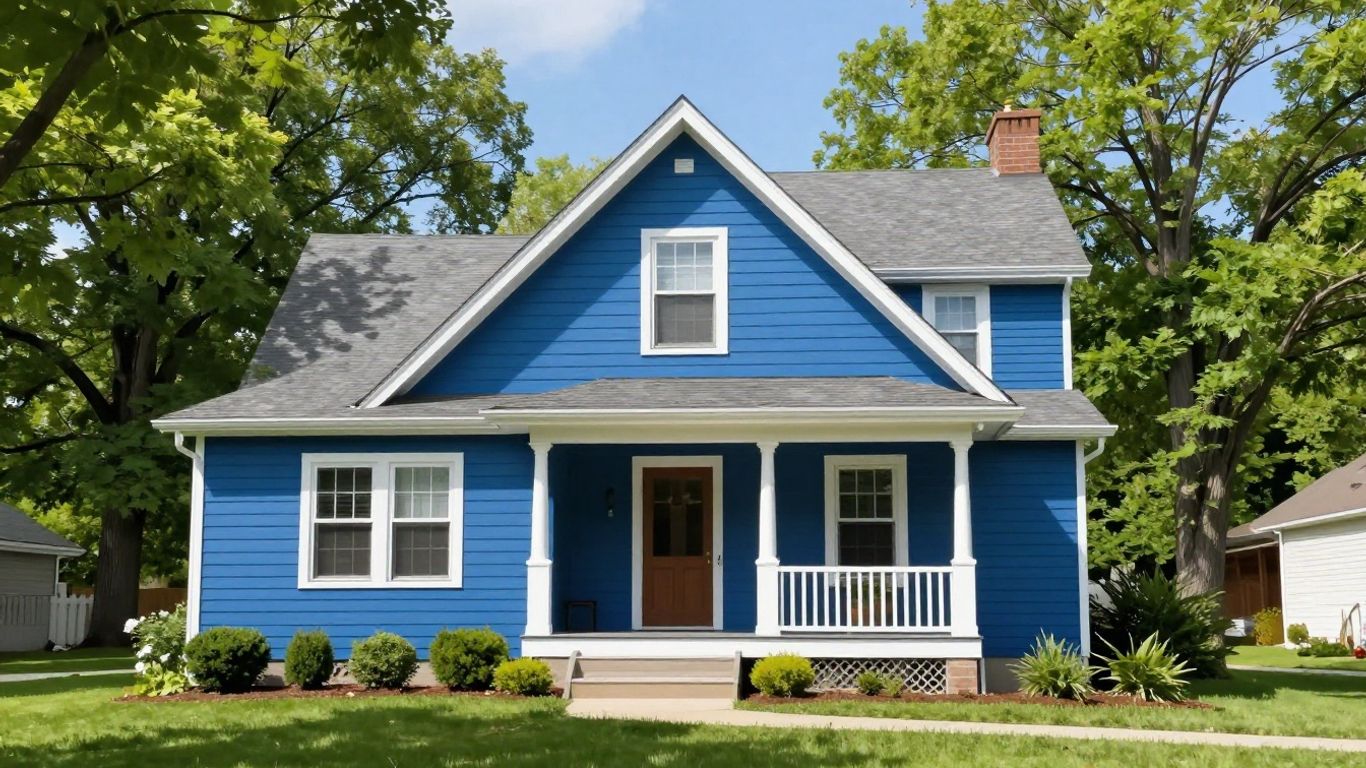
Getting your home ready for a fresh coat of paint is more than just picking a color. It’s about making sure that paint job lasts and looks good for years to come. Think of it like getting ready for a big event – you want everything to be just right.
Surface Preparation for Durability
This is where the real magic happens, or where things can go wrong if you’re not careful. You can’t just slap paint on a dirty or damaged surface and expect great results. It’s like trying to build a house on shaky ground.
Here’s what you need to do:
- Clean Everything: Wash off dirt, grime, mildew, and any chalky residue. A power washer can be a big help, but be careful not to damage the siding.
- Scrape and Sand: Get rid of any peeling or loose paint. Sand down rough spots so the new paint has a smooth surface to stick to.
- Repair Damage: Fix any rotten wood, cracks, or holes. Small issues now can become big problems later if they’re ignored.
- Prime Bare Spots: Apply a good quality primer to any areas where you’ve scraped down to the bare surface. This helps the paint adhere better and gives a more even color.
Choosing the Right Paint and Primer
Not all paints are created equal, and picking the wrong one can lead to a lot of headaches. For exterior painting in Michigan, you want something that can handle our changing weather.
- Quality Matters: Investing in high-quality paint is one of the best decisions you can make for your home’s exterior. It usually has better pigments, binders, and additives that make it more durable, resistant to fading, and easier to apply. You can often find professional-grade paints that offer superior performance compared to basic store brands.
- Primer is Key: A good primer seals the surface, blocks stains, and helps the topcoat stick. For Michigan’s climate, look for primers that offer good adhesion and moisture resistance.
- Consider the Finish: Different finishes (like flat, satin, or semi-gloss) have different looks and durability. Satin or semi-gloss are often good choices for exteriors because they’re easier to clean.
Protecting Your Property During the Process
Painting is messy work, and you don’t want your windows, plants, or walkways to end up with paint splatters. Taking a little time to protect your property will save you a lot of cleaning later.
- Cover Up: Use drop cloths or plastic sheeting to cover plants, furniture, walkways, and anything else you want to keep clean.
- Tape Off: Use painter’s tape to protect trim, window frames, and door frames. Make sure the tape is pressed down firmly to prevent paint from seeping underneath.
- Secure Fixtures: Remove or cover light fixtures, house numbers, and any other hardware that might get in the way or get painted.
Proper preparation is the foundation of a great paint job. Skipping steps here might save you time upfront, but it will almost certainly lead to a less durable and less attractive finish down the road. It’s worth the effort to do it right the first time.
The Benefits of Professional Exterior Painting
Ensuring a Flawless, Long-Lasting Finish
When you hire professionals for your exterior painting project, you’re really investing in quality. These folks know their stuff. They’ve got the experience to prep surfaces just right, which is half the battle. Plus, they understand how different paints and primers work in Michigan’s weather. This means you get a finish that looks great and holds up against sun, rain, and snow for years to come. It’s about getting a smooth, even coat that doesn’t just look good today, but stays that way.
Protecting Your Home’s Value
A fresh coat of paint does more than just make your house look nice. It’s like a shield for your home. It keeps moisture out, preventing rot and other damage that can get expensive to fix down the line. A well-maintained exterior also makes a big difference when it comes time to sell. Buyers notice a home that’s clearly been cared for. It shows you’ve taken steps to protect your investment, which can really help with property value.
Expertise in Michigan’s Climate Challenges
Michigan weather can be tough on houses. We get hot summers, freezing winters, and everything in between. Professional painters understand these challenges. They know which products work best in our specific climate and how to apply them so they last. They’re also equipped to handle tricky jobs, like painting high areas or dealing with older surfaces. It’s not just about slapping paint on; it’s about using the right techniques and materials for our region. This kind of specialized knowledge is hard to replicate if you’re doing it yourself.
Here’s a quick look at why pros make a difference:
- Surface Prep: They don’t skip this step. Cleaning, scraping, and priming are done right.
- Material Selection: They know the best paints and primers for Michigan’s climate.
- Application Techniques: Smooth, even coats are their specialty.
- Efficiency: They get the job done faster and often with fewer mistakes than a DIYer.
- Safety: They have the right equipment and know how to use it safely, especially on ladders.
Hiring a professional painter means you’re not just paying for labor; you’re paying for peace of mind. They handle the hard work, the tricky details, and the potential headaches, leaving you with a beautiful, protected home. It’s a smart move for home exterior protection.
Conclusion
So, when is the best time to paint the outside of your house in Michigan? While spring and early fall are often seen as prime painting seasons due to mild weather, summer also offers great opportunities. Even winter can work for certain projects if you prepare correctly. The most important thing is to consider the weather – avoiding extreme heat, cold, and wet conditions. Proper preparation and choosing the right time will help make sure your paint job looks great for years to come. If you’re looking for a reliable team to handle your exterior painting, Frontjes Painting has been serving West Michigan since 1999, offering skilled craftsmanship and attention to detail for a finish you can be proud of.
Frequently Asked Questions
What’s the absolute best time of year to paint my house in Michigan?
Most people find that late spring or early fall are the best times. The weather is usually mild, not too hot and not too cold, and there’s less rain. This makes it easier for the paint to stick and dry properly.
Can I paint my house in the summer in Michigan?
Yes, you can paint in the summer! It’s a popular time because there are usually lots of sunny days. Just be careful not to paint when it’s extremely hot, as that can make the paint dry too fast and not stick well. Also, watch out for humid days.
Is fall a good season for exterior painting in Michigan?
Fall can be a really nice time to paint. The air is often crisp and dry, which is great for paint. You just need to make sure you finish the job before it gets too cold or starts raining a lot, as winter weather can damage fresh paint.
Is it ever okay to paint outside in the winter in Michigan?
Painting a whole house exterior in the dead of winter is tricky because of the freezing temperatures. However, some smaller jobs or projects in protected areas might be possible if the temperature is above freezing for a few days. It’s not the usual choice, though.
What weather should I avoid when painting my house exterior?
You should definitely avoid painting when it’s raining, very windy, extremely hot (over 90°F), or freezing cold (below 50°F). High humidity can also be a problem because it slows down drying. It’s best to have a few days of good weather lined up.
How important is surface preparation before painting?
Surface preparation is super important! It’s like getting ready for a big test. You need to clean the surfaces, fix any cracks or holes, and maybe even sand them down. Doing this right makes the paint stick better and last much longer, so you don’t have to repaint too soon.