
Key Takeaways
Deciding between updating your kitchen through paint or full replacement depends on your long-term goals and existing cabinet condition.
- Painting your existing cabinetry is significantly more affordable than full replacement, often costing 70-90% less.
- Assessing the structural integrity of your current boxes is the first step in determining if they can handle a new finish.
- Professional cabinet refinishing services provide a more durable and factory-smooth result than typical DIY efforts.
- A full kitchen replacement project allows for total layout changes while painting preserves the existing footprint.
- Consider the disruption of your daily routine, as professional painting often requires less time than complete cabinetry demolition.
Assessing the initial budget and long-term value
When you start your kitchen project, balancing your immediate costs with longevity is essential. Homeowners often try to calculate whether the investment in a fresh look will pay off during a future sale or simply provide daily satisfaction. Choosing paint vs replace kitchen cabinets involves weighing these financial factors carefully.
The true cost of professional cabinet painting
Professional painting is the most cost-effective way to refresh a space without extensive construction. At Frontjes Painting, we note that preparation steps, including sanding, priming, and clean room application, are what separate a quick DIY attempt from a lasting, professional finish that resists wear and tear.
Expenses involved in a full cabinet replacement
Full replacement involves purchasing new cabinetry, which significantly inflates your overall budget. Beyond basic stock options, moving into custom or semi-custom units bfae dramatically increases the project cost. Expenses accumulate quickly when factoring in new countertops, backsplashes, and the specialized labor required to install and align every cabinet precisely.
Hidden costs of demolition, disposal, and material disposal
When you pull out old cabinets, you aren’t just paying for the removal, but also for the transport and fees related to waste management. Most homeowners find these hidden expenses unexpected, especially when old materials are heavy, bulky, or require specific handling for disposal. It is vital to estimate these costs as part of your total renovation budget before committing to a full rip-out.
Analyzing the return on investment for kitchen upgrades
| Upgrade Factor | Painting | Replacement |
|---|---|---|
| Average Cost | Low | High |
| Timeline | 3-7 Days | 4-10 Weeks |
| Structural Impact | Minimal | High |
Budgeting requires understanding that replacement may only offer a high return if your current kitchen layout is fundamentally flawed. Painting provides immediate aesthetic value to a well-structured room without the financial strain of total replacement.
Evaluating the structural condition of your cabinetry
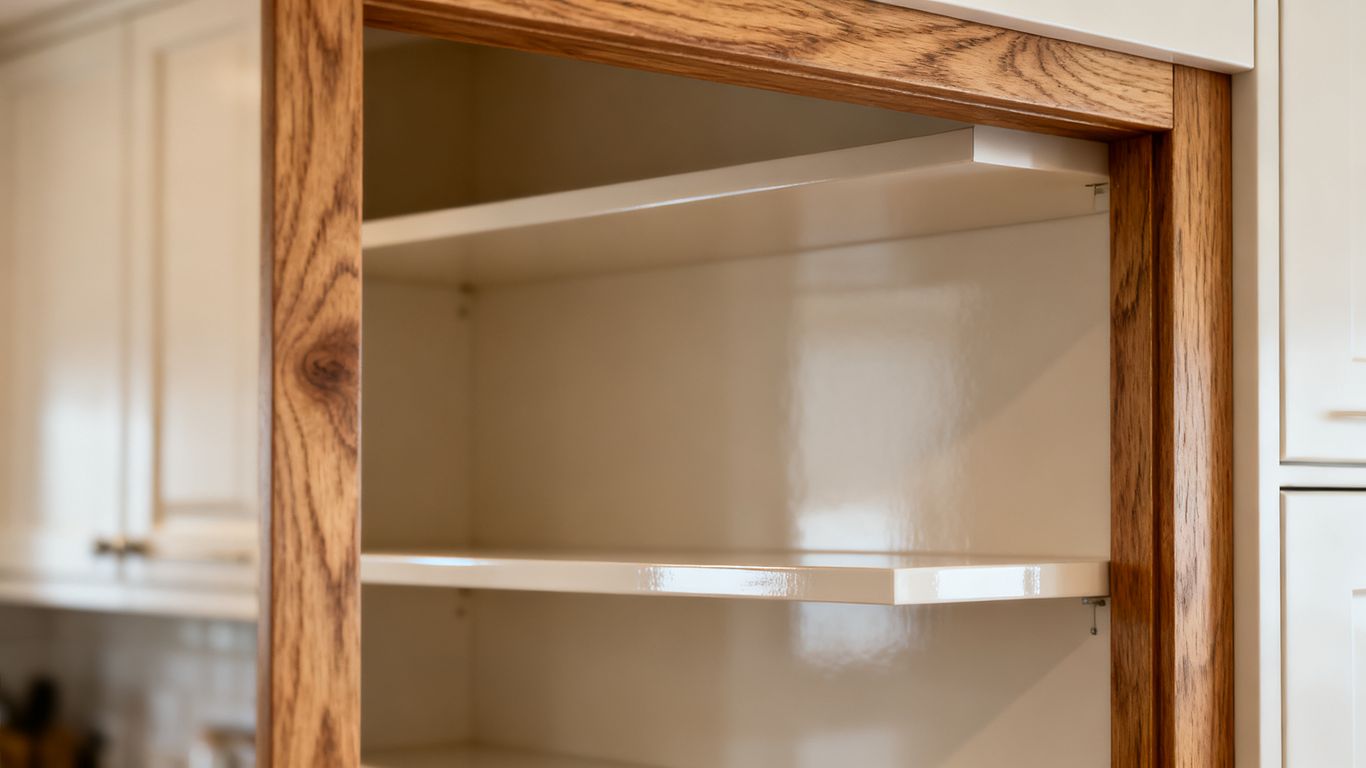
Before you decide on a finish, you must know what lies beneath the surface. If the boxes are crumbling or warped, no amount of paint will provide the performance you need for a functional kitchen. Experienced technicians often look for subtle signs of wear that might indicate the wood beneath the veneer has reached its capacity.
Signs that your cabinet boxes are worth saving
If the frames remain square and level, your cabinetry is a prime candidate for a professional update. Solid wood boxes often endure for decades, meaning that surface-level updates like new color can keep them looking fresh for quite some time. When you see sturdy construction, consider your options carefully before deciding to discard them.
Identifying structural damage that warrants a full replacement
- Severe water damage causing the wood to swell.
- Delaminating veneers that cannot be sanded back.
- Broken framing that causes doors to sag permanently.
- Significant rot inside the dark corners of lower units.
Structural failures mean the foundation is gone, making replacement a safety and functional necessity rather than a preference. If your cabinets show these signs, standard refinishing techniques might not be enough to sustain a modern, high-intensity kitchen.
How to inspect cabinet interiors for mold or rot
Use a flashlight to check the back panels and floor of your lower cabinets, especially those near sinks or moisture sources. A simple visual inspection combined with a light press to check for soft wood can save you from trying to paint over unusable material. Proper identification of these issues ensures your money goes toward fixing the problem at the source.
Determining the quality of your existing wood or veneer
Understanding your material type helps in predicting how the color will adhere. Real wood takes stains and paints differently than modern MDF or laminate finishes. A brief assessment confirms if Frontjes Painting needs to use specific primers to guarantee that your final result looks clean and even.
Comparing the timeline and household disruption
Renovating a kitchen can be difficult when you rely on it daily for meals and family life. Knowing whether the process takes days or months helps you prepare for the temporary change to your environment. Painting is typically faster and less invasive than a full-scale replacement.
Expected duration for a professional painting project
Professional teams often spend roughly one week finishing cabinets on-site or in an industrial spray shop. This efficiency allows you to resume using your kitchen in a short turnaround, provided the products used cure within the estimated timeframe.
Project timeline for a full custom cabinet installation
Full replacements involve ordering, shipping, and installation, which can lead to weeks of scheduling. You must account for electrical and plumbing interruptions that are often unavoidable during a complete gut and renovation project.
Managing day-to-day life during kitchen renovations
Planning for a makeshift food-prep area is a must when the kitchen is out of commission for an extended period. Many families choose to minimize impact by choosing painting over replacement because it allows them to maintain access to appliances for the majority of the timeframe. Proper scheduling with your contractor is key to maintaining your sanity while the work proceeds.
Factors that influence project delays for painting versus replacing
Painting delays are usually minimal, often resulting from weather humidity that impacts drying times. In contrast, replacement projects are highly prone to supply-chain issues or damage during shipping, which can push your timeline back significantly if key custom components arrive broken or misaligned.
Design flexibility and layout modifications
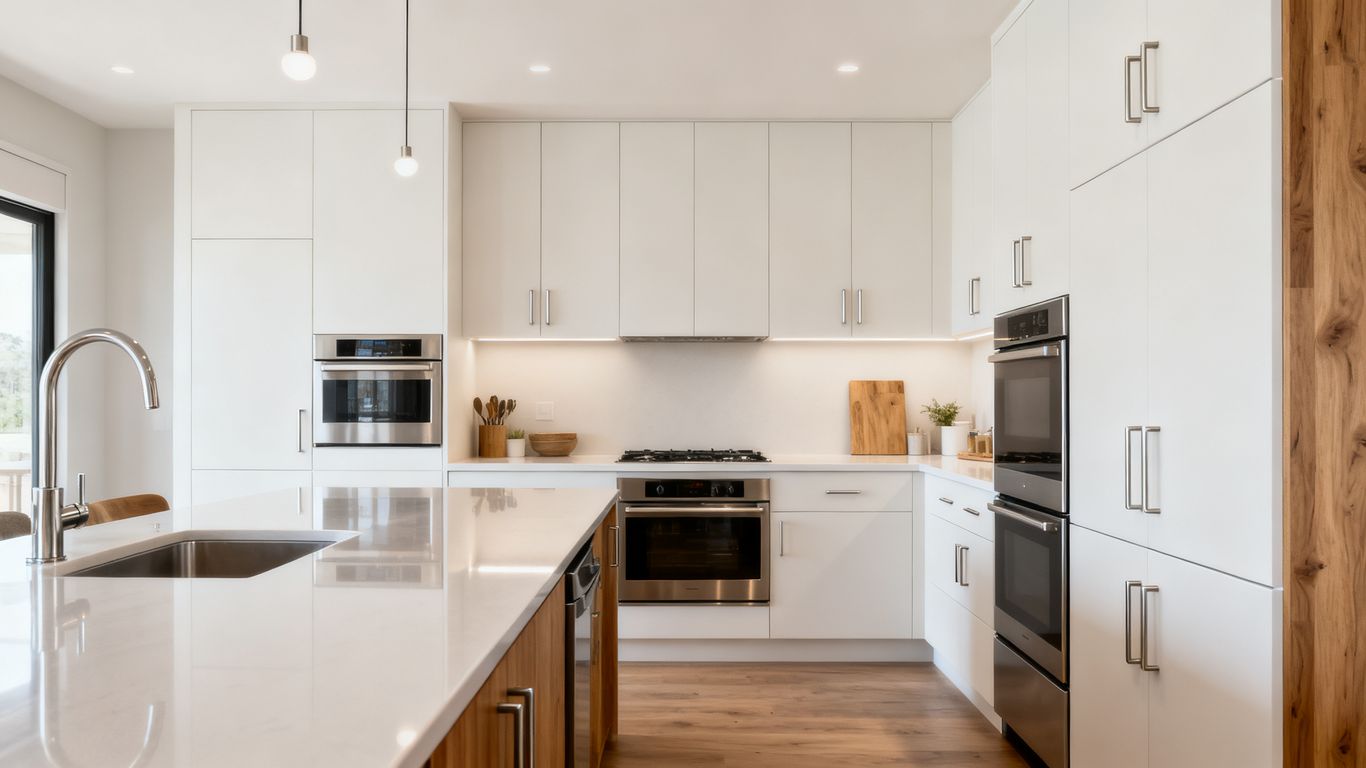
Color is a powerful tool for visual impact, yet it remains limited by your current floor plan. If you are satisfied with where your appliances and storage live, then changing the finish is perfect. However, if your kitchen feels cramped or lacks flow, a complete overhaul might be the only way to gain the efficiency you desire.
Limitations of painting existing cabinet configurations
Painting only changes the visible surface, not the shape or style of the door. If you dislike the profile of your current doors, paint will not change that element. It’s vital to recognize that painting preserves your exact footprint, whereas replacement allows for re-imagining how items are stored.
Customizing your kitchen layout through cabinet replacement
Replacement provides a blank slate for adding peninsulas, islands, or taller units that change how you move through the space. This is the optimal time to rethink your workflow and make modifications that improve the utility of every square inch. A full renovation lets you move existing ports for water or electricity to better suit a custom cabinet design.
Updating hardware and aesthetics without structural changes
Swapping knobs, pulls, and hinges remains a highly effective low-cost way to make a huge difference in how the kitchen feels. Combined with a fresh coat of paint, new hardware makes your kitchen feel completely modern without the significant cost or chaos associated with a full construction project. Most homeowners are surprised by how much life a new set of hardware brings.
Incorporating modern storage solutions into your existing footprint
Even without a total replacement, you can often add specialized drawers or slide-out racks inside your existing frames. These additions maximize internal utility while the external paint job takes care of the visual appeal. Making small tweaks to functionality alongside a professional project ensures your space feels efficient once completed.
Durability and maintenance expectations
Your kitchen takes a lot of wear, from hot pans to splatters and daily cleaning. Ensuring that your chosen solution holds up under pressure depends on the quality of the materials and the application. Achieving a finish that protects the substrate is essential for lasting results.
Longevity of high-quality industrial painting finishes
Industrial finishes are designed specifically to withstand the demands of a high-traffic area. Utilizing the specialized equipment in a local industrial spray shop ensures that the paint bonds effectively to the material. These modern finishes are formulated to resist chipping and scratching, providing a long-lasting aesthetic that survives daily use.
Performance of new factory-finished cabinetry
Factory finishes are baked onto the doors, often creating an extremely hard shell that is very difficult to damage. While this durability is a benefit of buying new, it comes at a premium price point when compared to refinishing. Quality control at the factory level ensures a consistency that is hard to replicate, yet modern painting techniques have bridged this gap in recent years.
Routine cleaning and maintenance to extend finish life
- Use a soft cloth with warm soapy water for daily wipe-downs.
- Avoid harsh chemical cleaners that can break down topcoats over time.
- Blot spills immediately to prevent moisture from seeping into seams.
- Periodic dusting helps keep airborne grease from accumulating on cabinet fronts.
Following these simple care steps ensures that your investment stays beautiful long after the contractors leave. Consistent maintenance is the secret to getting the most out of your kitchen refresh.
How humidity and kitchen heat affect different surface types
Kitchens are naturally volatile environments with high temperature and humidity fluctuations. Low-quality finishes might crack or peel, while high-quality painted or factory-finished units are designed to withstand these shifts. Choosing a professional path means your cabinetry will perform consistently, whether you are simmering a meal or dealing with summer humidity.
Choosing between DIY and professional expertise
Taking on a huge project is often tempting to save money, but the effort required to reach a professional standard is immense. While the internet is full of tutorials, the reality of sanding, priming, and applying a factory-grade finish is much harder in practice than in a video.
Skill requirements for achieving a factory-smooth paint finish
Achieving a smooth finish involves perfect prep work, including multiple rounds of sanding and using correct high-grade primers. Amateur methods often leave brush marks or drips, which detract from the clean look of a modern kitchen. Professional experience is required to understand how wood species and humidity levels affect the final outcome.
Risks and challenges associated with cabinet installation
Installing cabinets sounds straightforward, but keeping every piece perfectly square is difficult. One small measurement error can cause gaps that ruin the professional look of your kitchen. Professional installers have the specialized tools and the practiced eye to manage the irregularities found in most older home structures.
Professional equipment and space requirements for high-quality results
Having a controlled environment, such as a specialized dust-free shop, is necessary for achieving a uniform finish. Painting on-site is messy and rarely offers the same outcome as applying paint in a dedicated environment. Professionals often bring the necessary equipment and take the stress of the mess off your plate.
When to hire painting specialists versus general contractors
If you simply need a new finish and your structure is sound, a painting professional is your best choice. If you are moving walls, replacing large cabinet systems, or changing plumbing, you need a general contractor to handle the multi-trade coordination required for a complete renovation.
Conclusion
Deciding between painting or replacing your kitchen cabinets is a unique calculation that balances your budget, current box integrity, and your desired layout changes. While replacement offers a clean slate for complete structural transformation, high-quality painting provides a durable, cost-effective, and efficient way to update your home’s central hub. By assessing the actual state of your cabinets and understanding the benefits of professional service, you can make the right decision for your specific vision. Whichever path you choose, focusing on quality workmanship, proper materials, and realistic expectations ensures you get a final result that you will enjoy for many years to come.
Frequently Asked Questions
How often should I re-paint my kitchen cabinets?
If the initial professional finish is of high quality, your cabinets may maintain their appearance for ten years or more with routine cleaning and proper care.
Can any type of cabinet be professionally painted?
Most materials, including wood, veneer, and MDF, can be painted successfully if the team identifies the correct primer and uses advanced adhesion techniques.
Is it possible to change cabinet door styles during a repaint?
Painting only covers your current doors, but you can always opt for cabinet refacing to install new door fronts while keeping the base frames.
Why does the cost differ so much between painting and replacing?
Replacement involves the expense of physical materials and high-complexity labor, whereas painting requires skilled prep and finishing but avoids the costs of new cabinetry and demolition.
Does high humidity in the kitchen damage paint?
High-grade, professionally applied coatings are designed to be moisture-resistant, ensuring that heat and steam from cooking do not cause the paint to fail prematurely.
Is painting cabinets a DIY project I should consider?
While simple, the precision needed for a truly factory-smooth finish usually requires specialized equipment and experience that most homeowners do not have at home.
How can I tell if my cabinets have structural issues before painting?
Check for soft wood areas, loose joints at the corner, or damaged frames that no longer sit level; these indicate a need for replacement rather than a simple refresh.